In northern Nevada, pediatric firearm injuries stem from a range of causes — including violence, suicide, and unintentional discharges.
These risks are shaped by a region where firearm ownership is common, and communities span from urban areas to vast rural landscapes.
For Jorge Montano‑Figueroa, pediatric injury prevention specialist and Safe Kids Washoe County coordinator at Renown Children’s Hospital, firearm injury prevention begins with curiosity and trust.
His work focuses on understanding how families perceive firearm safety and risk, and using those insights to guide meaningful, community-driven conversations.
Montano Figueroa and his team take an upstream approach, meeting children and families at schools, community events, and trusted local organizations to help prevent injuries before they occur. Their intent is to talk about firearm safety in environments where trust already exists and in ways that reflect the realities of both urban and rural life.
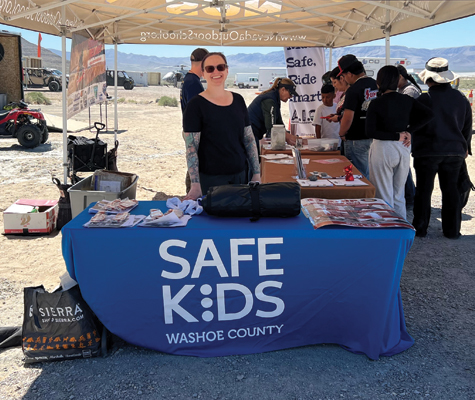
Since launching their prevention initiative in 2022, Renown Children’s Hospital has seen a 47% reduction in pediatric firearm‑related injuries in the community, driven by focused education, outreach, and safe storage efforts.
The Children’s Hospital Association asked Montano‑Figueroa about how his team approaches firearm injury prevention, the importance of trust in rural areas, and lessons for other hospitals.
1. How does working in a rural region shape your approach to firearm injury prevention?
In Nevada, firearms are part of everyday life for many families, whether for hunting, recreation, or protection. In rural areas, some families live far from neighbors or emergency services, making firearms feel like an important safety tool.
Because of this, our approach focuses on framing the conversation around protecting children and families, rather than challenging beliefs. It’s about meeting people where they are and emphasizing safety practices that align with their values.
2. Much of your work happens outside of the hospital. Why focus on community-based prevention?
Our goal is to prevent injuries before they happen, which means doing much of our work in the community.
A key part of this is the Be SMART campaign, which provides a nonpolitical, unbiased framework for talking about firearm safety. The message is simple: secure storage saves lives, regardless of personal beliefs about firearm ownership.
We’re reaching both youth and caregivers. We’ve done high school presentations focused on risk, decision making, and consequence. We’re participating in community outreach events and workshops and partnering with local organizations to expand our reach.
In clinical settings, we focus on education around safe storage. In the community we pair that education with distributing safety resources, such as gun locks.
We also integrate Stop the Bleed training, recognizing that preparedness is just as important as prevention. This training equips community members, especially youth, with lifesaving skills in emergency situations.
With youth specifically, we focus on violence prevention and situational awareness, encouraging them to remove themselves from unsafe situations, particularly when encountering unsecured firearms.
3. What has been most effective in building trust and changing behavior?
Meeting people where they are — with respect and without judgment.
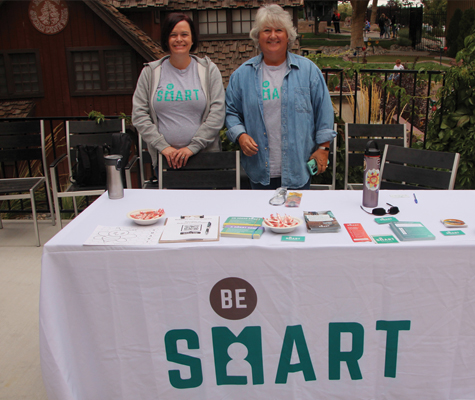
firearm safety.
We approach conversations by acknowledging perspectives and finding common ground: “You bring your experience, we bring ours. How do we work together to keep kids safe?”
One powerful outcome of the Be SMART framework is empowering caregivers to ask about firearm storage in other homes. This is a conversation that often didn’t happen before but is now becoming more normalized.
Also, being nonjudgmental is critical. If people feel judged, they disengage. Instead, we focus on planting the seed. Even if change doesn’t happen immediately, the conversation creates awareness that can influence future decisions.
4. What are the biggest barriers to safe firearm storage in your area?
One of the biggest challenges is balancing perceived external threats with the real risks of having an unsecured firearm in the home, particularly for vulnerable populations such as children, individuals with mental health concerns, and older adults.
Many families practice safe storage overall but may keep one firearm readily accessible.
This opens the door for conversation:
- Why is this one treated differently?
- How can it remain accessible while still being secured safely?
This is where education about modern storage solutions, such as biometric safes, becomes valuable to help bridge the gap between accessibility and safety.
5. What advice would you give other children’s hospitals starting this work in rural areas?
Get out into the community, listen first, and build trust.
In rural communities, there can be skepticism toward outside voices. That’s why it’s essential to partner with trusted local organizations and work collaboratively.
We often start by sharing local injury data and asking, “How can we work together to make this community safer?”
As the region’s only pediatric trauma center, Renown Children’s Hospital serves as a critical resource for families. That responsibility extends beyond hospital care and requires meeting families where they are and working alongside the people they trust.
At the end of the day, we cannot serve a community we don’t understand. Being curious opens the door to connection, trust, and ultimately prevention.